
Introduction to the VR Market
The virtual reality (VR) market has experienced significant growth over the past decade, becoming a cornerstone of the gaming and tech industries. This surge is attributed to advancements in technology, improved access to high-quality content, and a rising consumer interest in immersive experiences. VR headsets have transitioned from niche products to mainstream devices used for gaming, educational purposes, and even social interactions, transforming how users engage with digital environments.
Among the key players in this evolving landscape, Meta, formerly known as Facebook, has emerged as a leader in the VR sector. Their innovative offerings, particularly the Quest series of VR headsets, have played a crucial role in making virtual reality accessible to a broader audience. The Meta Quest 2, launched as a standalone device, garnered widespread acclaim for its affordability and impressive library of games and applications. This success has established Meta as a pivotal force driving the evolution of consumer expectations regarding VR technology.
As advancements continue to reshape the landscape, manufacturers are increasingly focused on developing products that enhance user experiences. The emergence of the Meta Quest 3 promises to redefine these expectations once more, boasting improved graphics, enhanced performance, and advanced tracking capabilities. Such innovations compel consumers to consider the value of upgrading and what advantages new models can provide. The comparison between the Meta Quest 2 and the upcoming Meta Quest 3 will delve into these developments, exploring how they impact user choices and set new standards in the realm of virtual reality.


Key Differences Between Meta Quest 3 and Quest 2
The Meta Quest 3 introduces several significant enhancements over its predecessor, the Quest 2. One of the most notable improvements is in the display technology. The Quest 3 features a higher resolution screen, which not only increases pixel density but also enhances color accuracy and contrast. Users will appreciate the sharper visuals while engaging in virtual reality experiences, making gameplay and interactive applications more immersive than ever.
In terms of processing power, the Quest 3 is equipped with a more advanced chip, resulting in enhanced performance across various applications. This state-of-the-art processing unit enables faster loading times, smoother frame rates, and the capacity to handle more complex graphics. Consequently, users can enjoy a more fluid and responsive experience, particularly when engaging in resource-intensive VR games and applications. This upward leap in performance solidifies the Quest 3’s role as a leader in the VR market.
The design and comfort features of the Quest 3 have also been carefully refined. It is designed with a more ergonomic fit that reduces fatigue during extended use. Additionally, the weight distribution has been optimized to provide a more balanced feel, making longer gaming sessions less cumbersome. The materials used in construction have been improved for durability without compromising comfort, ensuring that wearers feel at ease even during hours of engagement.
Another pivotal difference lies in the enhanced mixed reality capabilities of the Quest 3. This device incorporates advanced sensors that facilitate interactions between the real and virtual worlds. Users can seamlessly transition between these environments, broadening the scope of gameplay and interaction possibilities. This feature showcases the Meta Quest 3 as a more versatile option, appealing to a wider audience interested in immersive entertainment and applications.
Meta Quest 3 Advantages
The Meta Quest 3 offers several compelling advantages over its predecessor, Quest 2, making it an attractive option for both new and existing users. One of the most notable benefits is the incorporation of advanced technology that future-proofs the device. As the virtual reality landscape continually evolves, adopting the latest technology ensures that users remain at the forefront of innovation, allowing for a more seamless experience with new software and applications.
Additionally, the immersive gaming experience of the Meta Quest 3 is significantly enhanced by its high-resolution display. With clearer visuals and improved color accuracy, users can enjoy more lifelike graphics and a heightened sense of presence in virtual environments. This upgrade allows developers to create richer, more detailed games, transforming the user experience. For gamers who prioritize visual fidelity, the Meta Quest 3 is an appealing choice that can enhance enjoyment in a variety of VR applications.
Another essential improvement lies in the controllers. The Meta Quest 3 features controllers with upgraded haptic feedback and improved tracking capabilities, allowing for more precise and responsive interaction with virtual worlds. This enhancement facilitates a greater degree of immersion, making activities feel more intuitive and engaging. Whether emphasizing fast-paced gaming or slow-paced exploration, the new controllers contribute significantly to functionality and overall enjoyment.
Moreover, Meta Quest 3 encompasses additional features that enhance its versatility. Some of these features include enhanced hand tracking, better room-scale tracking, and greater compatibility with a wide range of accessories. These improvements not only expand the headset’s capabilities but also accommodate various user preferences and play styles, ensuring that the device can adapt to individual needs and desires in the realm of virtual reality.


Is Meta Quest 2 Still a Strong Option?
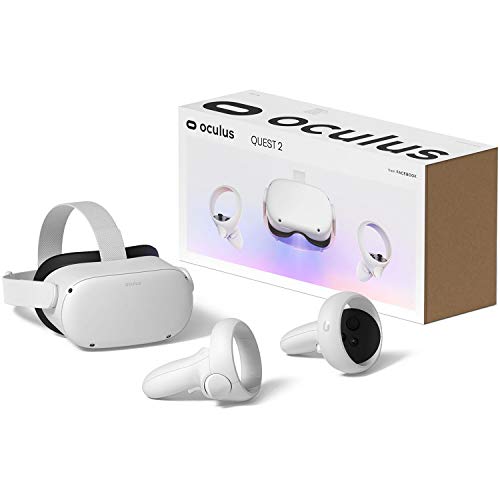
The Meta Quest 2 has established itself as a formidable player in the virtual reality landscape since its release. As users continue to explore immersive gaming and experiences, the affordability of the Meta Quest 2 makes it an attractive choice for both newcomers and budget-conscious enthusiasts. Priced competitively, it offers a relatively low entry point into the world of VR, allowing a wider audience to engage with advanced technology without incurring substantial financial commitments.
Performance-wise, the Meta Quest 2 does not disappoint. It is powered by robust hardware capabilities, which facilitate smooth gameplay and quick load times. The device boasts a high-resolution display and a refresh rate that ensures an engaging visual experience. With several optimization updates since its launch, the device continues to enhance performance, addressing user feedback and improving graphics fidelity. This level of support ensures that the Meta Quest 2 remains relevant in a rapidly evolving market, particularly for gamers who prioritize stable performance.
Another key aspect that keeps the Meta Quest 2 appealing is its extensive library of games and applications. With a wide variety of VR titles available, ranging from action and adventure to educational experiences and fitness applications, users can find content that suits their interests. The continuous addition of new games further enriches this library, helping to retain user interest and engagement over time. Additionally, many existing VR titles are still optimized for the Quest 2, ensuring that users have plenty of options to explore.
Ultimately, the Meta Quest 2 stands firm as a strong contender in the VR market, offering affordability, solid performance, and access to a diverse range of content. Its enduring value signifies that it remains a relevant option for those considering a virtual reality headset.
When to Stick with Quest 2
For many users, the decision to upgrade from the Meta Quest 2 to the newer Meta Quest 3 hinges on individual usage patterns and preferences. One significant consideration is casual usage. If you primarily use your VR headset for light gaming or social experiences, and you find the performance of the Quest 2 meets your expectations, there may be little need to invest in an upgrade. The Quest 2 offers a solid gaming experience and a well-rounded library of games and applications that can satisfy casual users. In such cases, staying with the Quest 2 is a viable option.
Another factor to consider is satisfaction with current performance. If you are content with the graphics, speed, and overall functionality of the Quest 2, upgrading may not feel necessary. Many users are able to enjoy an immersive experience without requiring the advanced features offered by the Quest 3. It is important to assess whether the enhancements in the new model truly align with your VR needs, as performance discrepancies may not be significant enough to warrant the purchase.
Additionally, cost is a crucial consideration in deciding whether to upgrade. The financial implications of acquiring a new headset should not be overlooked. If the Quest 2 continues to serve its purpose effectively, and particularly if the budget is a concern, it can make more sense to hold off on purchasing the Meta Quest 3. Financial prudence often outweighs the desire for the latest technology, especially when previous investments are still functional. Ultimately, users should weigh these factors against their expectation of VR experiences to determine if sticking with the Quest 2 is the most advantageous choice for their specific circumstances.
Should You Upgrade to Meta Quest 3?
The decision to upgrade from Meta Quest 2 to Meta Quest 3 hinges on various factors that cater to distinct user profiles ranging from hardcore VR enthusiasts to casual users. Meta Quest 3 introduces several advancements that could significantly enhance the virtual reality experience, but evaluating the necessity of these upgrades is crucial.
For hardcore VR enthusiasts, the appeal of Meta Quest 3 lies primarily in its improved technical specifications. With enhanced processing power, a higher resolution display, and advanced tracking capabilities, the device promises a more immersive and responsive experience. Gamers looking for greater depth in graphics and performance may find that these improvements justify the upgrade. Additionally, the introduction of new software titles optimized for Meta Quest 3 can provide even more compelling reasons to switch, as these titles may leverage the device’s capabilities to deliver unique experiences not available on Quest 2.
On the other hand, casual users may want to consider their usage patterns before making the leap. If the majority of your VR experiences are centered around social interactions or casual gaming, the enhancements of the Meta Quest 3 might not be as crucial. For those who primarily utilize their headset for basic applications or lighter gaming, continuing with the Meta Quest 2 could be a more economical choice. Furthermore, the transition between devices can involve both financial investment and time spent adjusting to new features, which may not be appealing to users who are satisfied with their current setup.
Ultimately, the decision should reflect personal priorities and usage frequency. Weighing the technical enhancements and content availability of Meta Quest 3 against the satisfactory performance of Meta Quest 2 will guide potential upgraders to a conclusion that aligns with their unique VR experience needs.
Cost Considerations and Budgeting
When evaluating the decision to upgrade from the Quest 2 to the Meta Quest 3, several financial factors come into play that are crucial for an informed choice. The price points of both headsets present a critical aspect of this analysis. As of the latest updates, the Quest 2 is typically more affordable, often with additional discounts available during sales events or holiday promotions. In contrast, the Meta Quest 3 is priced higher, justifying its cost through enhanced features and improved performance.
Budgeting for a potential upgrade involves not only the initial purchase price but also the consideration of the overall value offered by the Quest 3. One strategy that many users employ is to explore trade-in options. Numerous retailers and online marketplaces facilitate the trade-in of older models, which can significantly offset the cost of acquiring a new headset. Such a move can enhance the financial viability of upgrading; users should weigh the trade-in value of their Quest 2 against the price of the Quest 3 to help formulate a budget.
Moreover, a long-term investment perspective should be taken into account. The performance improvements, superior graphics, and enhanced user experience that the Meta Quest 3 delivers may render it a more cost-effective option over time when compared to the older model. Users must assess their individual usage habits and how much they value these advancements in performance and capability. Ultimately, framing the choice through both immediate costs and long-term benefits can deliver a clearer view of whether the upgrade is truly worth it.
By contemplating all these factors holistically, consumers can make an informed decision that aligns with their financial capacities and virtual reality aspirations.
User Testimonials and Reviews
The Meta Quest series has garnered significant attention in the virtual reality landscape, particularly regarding user experiences with the Quest 2 and the newer Quest 3. Both headsets have their unique features, which have shaped the feedback from their respective users.
Starting with the Meta Quest 2, many users express satisfaction with its affordability and solid performance. The immersive gaming experiences and extensive library of compatible applications have notably impressed users, particularly casual gamers. However, some have indicated that the lower resolution and weight of the headset can lead to discomfort during prolonged use. Users appreciate the quality-to-price ratio but suggest that the technological capabilities may not fully meet the expectations of enthusiasts seeking the latest advancements in VR technology.
On the other hand, testimonials for the Meta Quest 3 reflect a generally positive shift. Many users highlight the enhanced graphics quality and improved field of view, which have significantly enriched their virtual reality experiences. The upgraded processing power facilitates smoother performance and more complex applications, which has been particularly beneficial for developers and hardcore gamers. Nevertheless, some users have expressed concerns regarding the higher price point, noting that it may not be justifiable for those who primarily engage in casual VR experiences.
Moreover, users mentioned the advancements in comfort and fit with the Quest 3, making prolonged sessions more enjoyable. Compatibility with Quest 2 games has also been a major plus for users considering the upgrade, as it ensures a wider selection of content remains accessible. In summary, while the Meta Quest 2 receives commendations for its value and basic performance, the Quest 3 stands out for enhancing user experience through technological improvements, reinforcing the ongoing debate about whether the upgrade is worthwhile for individual users based on their specific needs and expectations.
Conclusion: Making the Decision
The comparison between the Meta Quest 3 and Quest 2 highlights several essential aspects that potential users should carefully consider. The Meta Quest 3 introduces significant enhancements in terms of graphics, processing power, and features compared to its predecessor. Users can expect a more immersive experience due to improved visual fidelity and processing capabilities. This is particularly evident in graphically intensive applications and games that previously strained the Quest 2’s hardware.
In addition to hardware improvements, the Meta Quest 3 also offers advancements in tracking technology and a richer library of content. However, it is essential to note that users of the Quest 2 may find their experience satisfactory, depending on their VR usage patterns. For casual users who predominantly engage in basic experiences, the Quest 2 might still suffice, making the upgrade less urgent.
Furthermore, the decision to upgrade also hinges on budget considerations. The Meta Quest 3 is expected to come with a higher price point, which could be a deterrent for some. Users should assess whether the potential benefits and enhanced experiences are worth the additional investment. Those engaged in more serious VR gaming or development might find the upgrade justifiable for its advanced features.
Ultimately, the choice between the Meta Quest 3 and Quest 2 depends on individual preferences and how one intends to utilize the headset. By reflecting on their specific needs and experiences within virtual reality, users can make a well-informed decision that aligns with their expectations and financial situation. The evolution of VR technology continues to enhance user experiences, so weighing these elements carefully is paramount in deciding whether to upgrade or remain with the Quest 2.
