
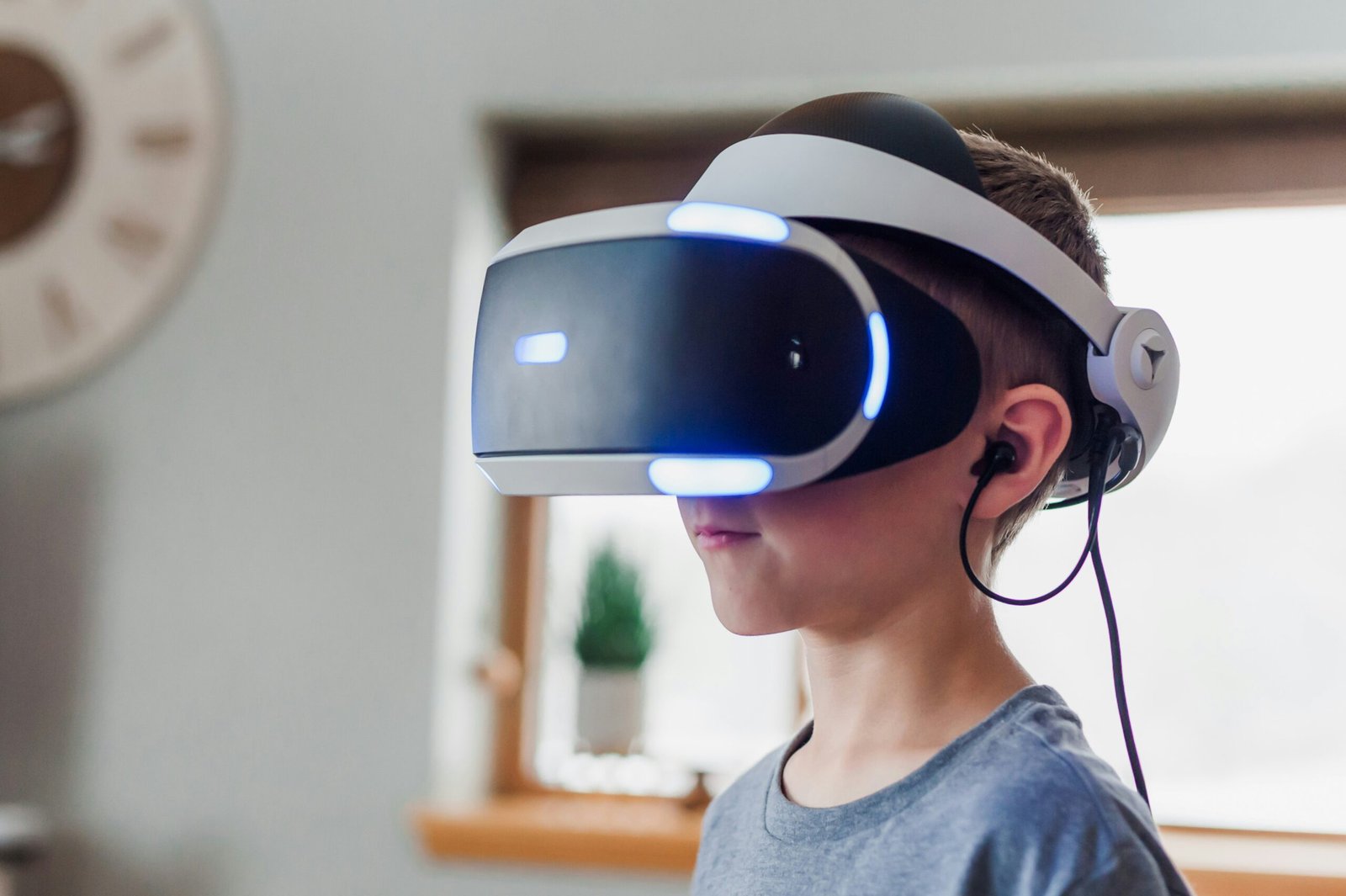
Introduction to the Next-Gen Meta Quest Pro
The virtual reality (VR) landscape has witnessed remarkable innovations over the past few years, with Meta leading the charge as a key player in the industry. Following the success of the original Meta Quest Pro, the anticipation for its next-generation successor has reached an all-time high. This new headset is poised to elevate the VR experience, appealing to both casual gamers and dedicated enthusiasts who seek immersive environments and cutting-edge technology.
Meta’s commitment to progression in the realm of virtual reality is evident in its strategic focus on the development of the upcoming Meta Quest Pro. The company has continuously aimed to push the boundaries of what is possible in VR, incorporating advanced features and improved functionalities. With the growing demand for high-quality, immersive experiences in various applications—from gaming and social interactions to educational and training programs—Meta’s next-gen offering is expected to cater to diverse user needs.
The excitement surrounding the next-generation Meta Quest Pro is fueled by a combination of user rumors, speculative features, and advancements in VR technology. Industry experts believe that the new headset will incorporate enhanced graphical capabilities, improved tracking systems, and features that ensure a seamless user experience. This evolution indicates that Meta is paying close attention to user feedback and technological advancements to outline the future of virtual reality.
In a marketplace increasingly saturated with VR options, the Meta Quest Pro stands as a symbol of innovation and quality. As we delve deeper into the specifics of this anticipated headset, understanding its significance within the VR market becomes essential. Enthusiasts and newcomers alike can look forward to discovering how the next-generation Meta Quest Pro is set to redefine what virtual reality can achieve.


Expected Hardware Advancements
The next-generation Meta Quest Pro is poised to deliver significant hardware enhancements that aim to elevate the virtual reality (VR) experience for users. Central to these advancements is the implementation of a more powerful processing unit. With an upgraded processor, the new headset will support faster performance, enabling smoother graphics rendering and reduced latency. This improvement is crucial in VR environments, where real-time responsiveness can significantly impact immersion and user experience. Enhanced processing capabilities are expected to facilitate more complex scenarios, making interactions within VR worlds feel more organic and fluid.
In addition to processing power, the Meta Quest Pro is anticipated to offer enhanced visuals characterized by improved resolution and refresh rates. These upgrades promise to deliver crisper image quality and a more immersive viewing experience, enabling users to enjoy VR with unprecedented detail. High refresh rates will contribute to minimizing motion blur, resulting in clearer visuals even during fast-paced actions. This upgrade is especially beneficial for gamers and professionals who rely on accuracy in virtual environments, as it enhances both enjoyment and productivity.
The ergonomic design of the headset is another critical aspect of its hardware advancements. By focusing on user comfort, the next-generation Meta Quest Pro will likely feature a lightweight build and adjustable components. Such enhancements will make extended usage more feasible, allowing users to remain engaged in virtual activities for longer periods without discomfort. Furthermore, advancements in mixed-reality features are expected to provide users with novel ways to interact with augmented elements in real-world contexts. This development will not only augment entertainment experiences but also offer practical applications in fields such as education and training. Overall, these expected hardware advancements represent a significant leap forward in VR technology, catering to the evolving needs and preferences of enthusiasts and professionals alike.
Meta’s Vision and Ambition in the VR Landscape
Meta has emerged as a frontrunner in the virtual reality (VR) and augmented reality (AR) sectors, driven by an ambitious vision to reshape how individuals interact with digital worlds. Founded with a commitment to innovate and enhance user experience, the company has steadily expanded its portfolio of devices, establishing a robust foundation with models such as the Oculus Rift and Meta Quest. These previous iterations have not only showcased impressive technological advancements but have also helped carve a niche in the competitive VR marketplace.
The upcoming Meta Quest Pro is poised to play a pivotal role in Meta’s long-term strategy. By integrating advanced features aligned with user demands, it aims to broaden the appeal of VR technology beyond gaming enthusiasts to professionals and various sectors of entertainment. The focus is on creating a versatile device that enables immersive experiences for gaming, professional applications, training simulations, and social interactions. This aligns with Meta’s goal of fostering a deeper connection between users and the virtual landscape.
In addition to targeting gamers, the Meta Quest Pro is intended to serve professionals in industries such as architecture, healthcare, and education. By facilitating collaborative environments and offering intuitive tools, the device is designed to enhance productivity and innovation in workspaces. The emphasis on multifunctionality signals Meta’s dedication to integration, where VR is not merely an entertainment medium but a vital component of everyday professional tasks.
Meta’s strategic ambition extends beyond hardware alone; it encompasses a broader ecosystem that supports app development and content creation. The company aims to cultivate a thriving community of developers who can explore new possibilities and implement innovative solutions for various use cases. As such, the Meta Quest Pro is not merely a device but a stepping stone toward realizing Meta’s vision of interconnected virtual environments that elevate both leisure and professional pursuits.
Launch Timeline and Conclusion
The anticipation surrounding the launch of the next-generation Meta Quest Pro is markedly palpable within the virtual reality (VR) community. As discussions and speculations circulate, many experts suggest that the unveiling of this innovative headset could occur in 2024. This timeline aligns with several critical industry events that traditionally serve as platforms for significant technology announcements, such as the Consumer Electronics Show (CES) and the Game Developers Conference (GDC). These gatherings often attract considerable attention from VR enthusiasts, who eagerly await the latest advancements in immersive technology and hardware.
The excitement is not solely driven by the scheduled launch; it encompasses the potential features and enhancements that the new Meta Quest Pro may bring to the table. Previous iterations of Meta’s VR headsets set a high standard for quality and user experience, and the upcoming model is expected to elevate this benchmark even further. Experts speculate that advancements in processing power, improved display technologies, and optimized tracking capabilities will be key highlights of the forthcoming headset, promising richer and more immersive experiences for users. The implementation of more sophisticated biometric tracking could also significantly enhance user interaction within virtual environments.
As we await concrete announcements from Meta, the conversations among developers, gamers, and VR enthusiasts continue to ignite a sense of optimism about the future of virtual reality. These discussions not only reflect the growing interest in immersive technologies but also emphasize the collective hope that the next-generation Meta Quest Pro will redefine the boundaries of what is possible in the VR space. With potential integrations of augmented reality (AR) functionalities and more social platforms, the headset is poised to influence the broader landscape of both gaming and professional applications in virtual environments.
In conclusion, the upcoming Meta Quest Pro holds a promise of transformative advancements that could further immerse users in virtual worlds, setting the stage for a new era of interaction and engagement in VR technology.
